
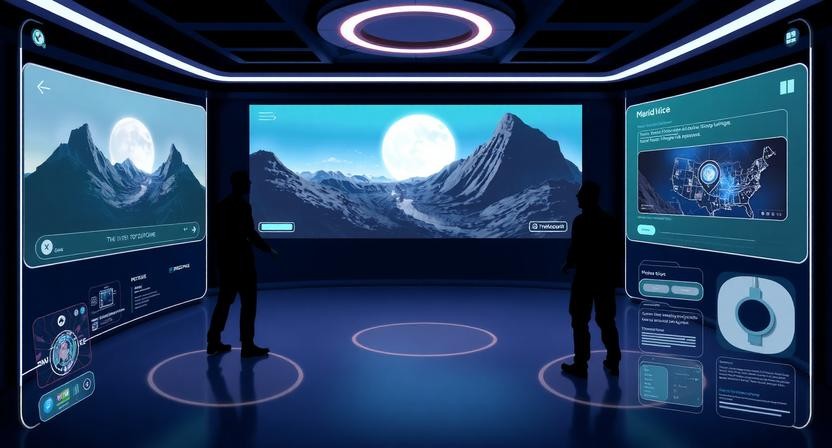
The entertainment industry is constantly evolving, and one key factor driving this evolution is the importance of UI/UX design for entertainment. As technology advances, users’ expectations for seamless and immersive experiences have increased. Whether it’s a mobile game, a streaming service, or a virtual event, the user interface (UI) and user experience (UX) play a crucial role in capturing and retaining users’ attention.
Why UI/UX Matters in Entertainment
A well-designed UI/UX can make or break an entertainment product. It’s not just about aesthetics; it’s about creating an intuitive and engaging experience that draws users in and keeps them coming back. Here are some key reasons why UI/UX design is vital in the entertainment industry:
- Enhances user engagement and retention
- Provides a competitive edge in a crowded market
- Improves overall user satisfaction and enjoyment
- Streamlines navigation and reduces friction
- Enables personalized experiences through data-driven design
At Avigma, we’ve seen firsthand how effective UI/UX design can elevate entertainment experiences. Our expertise in AI-driven innovation and customized software development allows us to craft unique solutions that meet the specific needs of our clients. By combining cutting-edge technology with a deep understanding of user behavior, we can create immersive experiences that captivate audiences and drive business success.
As we explore the world of UI/UX design for entertainment, we’ll delve into the principles of immersive design, discuss common challenges and how to overcome them, and examine the role of AI-driven innovation in shaping the future of entertainment.
Understanding the Principles of Immersive UI/UX Design
Creating immersive experiences in the entertainment industry requires a deep understanding of UI/UX design principles. At its core, effective UI/UX design for entertainment is about crafting an engaging and intuitive interaction between the user and the digital product. To achieve this, designers must prioritize a user-centered approach, focusing on the needs and behaviors of their target audience.
Key Principles of Immersive UI/UX Design
Several key principles contribute to immersive UI/UX design in entertainment. These include:
- Conducting thorough user research to understand audience preferences and behaviors
- Creating detailed wireframes and prototypes to visualize and test the design
- Designing intuitive navigation and information architecture to ensure seamless user interaction
- Incorporating visual design elements that enhance the overall aesthetic and immersive quality of the experience
By following these principles, designers can create UI/UX designs that draw users in and keep them engaged. For instance, many entertainment applications use interactive elements and micro-interactions to create a more immersive experience.
Steps Involved in the Design Process
The UI/UX design process for entertainment involves several key steps:
- Defining project goals and objectives
- Conducting user research and analysis
- Creating wireframes and prototypes
- Testing and iterating on the design
- Refining the design based on user feedback
Throughout this process, designers must remain focused on creating a user-centered design that meets the needs and expectations of their target audience. By doing so, they can create effective UI/UX designs that enhance the overall entertainment experience. For more information on UI/UX design best practices, check out our guide on Best Practices for UI/UX Design.
Challenges in UI/UX Design for Entertainment and How to Overcome Them
Designing UI/UX for entertainment applications is a complex task that involves creating an immersive experience for users. However, designers often face several challenges while crafting engaging interfaces. Let’s dive into some of the common hurdles and explore effective strategies to overcome them.
Balancing Aesthetics and Functionality
One of the primary challenges in UI/UX design for entertainment is striking a balance between aesthetics and functionality. While a visually appealing design is crucial, it’s equally important to ensure that the interface is intuitive and easy to navigate. To achieve this balance, designers can:
- Conduct user research to understand their preferences and behaviors
- Create wireframes and prototypes to test and refine the design
- Use a user-centered design approach to prioritize functionality and usability
Ensuring Cross-Platform Compatibility
Entertainment applications are often accessed through various devices and platforms, making cross-platform compatibility a significant challenge. To overcome this, designers can:
- Use responsive design principles to ensure a seamless user experience across different devices
- Test the application on various platforms to identify and fix compatibility issues
- Leverage cross-platform development frameworks to streamline the development process
At Avigma, we’ve seen firsthand how customized software development and digital marketing can help businesses overcome these challenges. By leveraging our expertise in UI/UX design for entertainment, businesses can create engaging and immersive experiences that captivate their audience. For more information on how to create effective UI/UX designs, check out our guide on Understanding the Principles of Immersive UI/UX Design.
| Challenge | Strategy |
|---|---|
| Balancing aesthetics and functionality | Conduct user research, create wireframes and prototypes, use user-centered design |
| Ensuring cross-platform compatibility | Use responsive design, test on various platforms, leverage cross-platform development frameworks |
By understanding these challenges and implementing effective strategies, designers can create UI/UX designs for entertainment that are both visually stunning and highly functional. For businesses looking to stay ahead in the entertainment industry, investing in customized UI/UX design solutions can make a significant difference.

Comparing UI/UX Design Tools for Entertainment Applications
Designing an immersive entertainment experience requires the right tools. With so many UI/UX design tools available, choosing the best one for your entertainment application can be overwhelming. Let’s dive into some of the most popular tools used in the industry and compare their features, pricing, and user reviews.
Popular UI/UX Design Tools for Entertainment
Several UI/UX design tools have gained popularity among entertainment businesses. These include Sketch, Figma, Adobe XD, and InVision. Each tool has its strengths and weaknesses, and the right choice depends on your specific needs.
- Sketch: A digital design tool that’s popular among UI/UX designers. It’s known for its ease of use and robust features.
- Figma: A cloud-based design tool that allows real-time collaboration. It’s ideal for teams working on complex projects.
- Adobe XD: A user experience design software that’s part of the Adobe Creative Cloud. It offers a range of features, including wireframing and prototyping.
- InVision: A design platform that offers a range of tools, including digital product design, workflow, and collaboration features.
Comparison of UI/UX Design Tools
To help you make an informed decision, here’s a comparison table summarizing the key features, pricing, and user reviews of these popular UI/UX design tools used for UI/UX design for entertainment:
| Tool | Key Features | Pricing | User Reviews |
|---|---|---|---|
| Sketch | Digital design, wireframing, prototyping | $9.99/user/month | 4.5/5 (G2 Crowd) |
| Figma | Cloud-based design, real-time collaboration | $12/user/month | 4.5/5 (G2 Crowd) |
| Adobe XD | User experience design, wireframing, prototyping | $9.99/user/month | 4.4/5 (G2 Crowd) |
| InVision | Digital product design, workflow, collaboration | $7.95/user/month | 4.4/5 (G2 Crowd) |
When choosing a UI/UX design tool for your entertainment application, consider factors like collaboration features, prototyping capabilities, and pricing. By selecting the right tool, you can create an immersive experience that engages your users and sets your business up for success. For more information on creating effective UI/UX designs, check out our guide on Understanding the Principles of Immersive UI/UX Design.
| Tool | Pricing | Platform Support | Collaboration Features | Design System Integration | Prototyping Capabilities | Learning Curve |
|---|---|---|---|---|---|---|
| Figma | Free – $45/user/month | Web, Windows, Mac | Real-time collaboration, commenting, @mentions | Yes, with popular design systems like Material Design, Bootstrap | Interactive prototyping with animations, micro-interactions | Moderate – easy to learn for designers, steeper for non-designers |
| Adobe XD | Free – $79.49/month (basic plan) | Web, Windows, Mac, iOS, Android | Real-time collaboration, commenting, @mentions, version control | Yes, with Adobe’s own design system, Spectrum | Interactive prototyping with animations, voice interactions | Steep – requires familiarity with Adobe Creative Cloud |
| Sketch | $9.99/user/month (basic plan) | Mac, Web (limited features) | Collaboration through third-party plugins, commenting | Yes, with popular design systems like Material Design, Bootstrap | Limited prototyping capabilities, mostly focused on design | Moderate – easy to learn for designers familiar with Mac |
| InVision | Free – $79/month (basic plan) | Web, Windows, Mac, iOS, Android | Real-time collaboration, commenting, @mentions, version control | Yes, with InVision’s own design system, DSM | Interactive prototyping with animations, micro-interactions | Steep – requires familiarity with InVision’s ecosystem |
This comparison table provides a clear and scannable overview of popular UI/UX design tools for entertainment applications, focusing on key aspects such as pricing, platform support, collaboration features, design system integration, prototyping capabilities, and learning curve. The table aims to help readers make an informed decision when choosing a UI/UX design tool that suits their needs.
The Role of AI-Driven Innovation in UI/UX Design for Entertainment
AI-driven innovation is changing the landscape of UI/UX design for entertainment, making experiences more immersive and engaging. By leveraging AI, designers can create personalized experiences that cater to individual user preferences. For instance, AI can analyze user behavior and adapt the UI/UX accordingly, ensuring that users stay engaged.
Personalizing User Experiences
One of the significant benefits of AI in UI/UX design for entertainment is its ability to personalize user experiences. AI algorithms can analyze user data, such as viewing history and preferences, to create tailored recommendations. This not only enhances user engagement but also increases the overall satisfaction with the entertainment platform.
- Content recommendations based on user behavior
- Adaptive UI/UX that changes according to user preferences
- Predictive analytics to anticipate user needs
Streamlining the Design Process
AI-driven innovation also streamlines the design process for UI/UX in entertainment. By automating repetitive tasks, designers can focus on more creative aspects of the design. For example, AI can help with:
| Task | AI’s Role |
|---|---|
| Wireframing | AI can generate wireframes based on design specifications |
| Prototyping | AI can create interactive prototypes for testing |
| User Testing | AI can analyze user feedback and suggest improvements |
By leveraging AI-driven innovation, businesses in the entertainment industry can create more immersive and engaging experiences for their users. To learn more about how AI can enhance your UI/UX design, check out our guide on AI in UI/UX Design.
Best Practices for Implementing UI/UX Design in Entertainment Projects
Implementing effective UI/UX design in entertainment projects requires a thoughtful and iterative approach. To create engaging experiences, it’s essential to understand your target audience and their needs. Here’s a step-by-step guide to help you get started with UI/UX design for entertainment.
Conducting User Research
The first step in creating a successful UI/UX design is to conduct thorough user research. This involves gathering data about your target audience, including their preferences, behaviors, and pain points. You can use various research methods, such as surveys, interviews, and usability testing, to gather valuable insights.
Creating Prototypes and Testing Designs
Once you have a deep understanding of your users, you can start creating prototypes of your UI/UX design. Prototyping allows you to visualize and test your design concepts, making it easier to identify and address any issues. It’s crucial to test your designs with real users to gather feedback and iterate on your design.
Some key best practices to keep in mind when implementing UI/UX design in entertainment projects include:
- Keep your design intuitive and easy to navigate
- Use high-quality visuals and engaging interactions
- Optimize your design for various devices and platforms
- Continuously test and iterate on your design based on user feedback
At Avigma, we’ve seen firsthand how a well-designed UI/UX can make a significant difference in the success of an entertainment project. By following these best practices and leveraging our expertise in customized software development, you can create immersive experiences that captivate your audience and drive engagement. For more information on how to enhance your UI/UX design with AI-driven innovation, check out our guide on The Role of AI-Driven Innovation in UI/UX Design for Entertainment.
Conclusion: Elevating Entertainment Experiences with UI/UX Design
As we’ve explored throughout this blog post, UI/UX design plays a crucial role in creating immersive entertainment experiences that captivate audiences and leave a lasting impression. By understanding the principles of immersive UI/UX design, overcoming common challenges, and leveraging AI-driven innovation, businesses in the entertainment industry can significantly enhance user engagement and stay competitive.
Key Takeaways for Elevating Entertainment Experiences
To recap, here are the essential elements to focus on when implementing UI/UX design for entertainment:
- User-centered approach: Conduct thorough user research to understand your audience’s needs and preferences.
- Aesthetics and functionality: Strike a balance between visually appealing designs and intuitive functionality.
- AI-driven innovation: Leverage AI to personalize user experiences, predict user behavior, and streamline the design process.
- Iterative design: Continuously test and refine your designs based on user feedback to ensure optimal results.
At Avigma, we’ve seen firsthand how effective UI/UX design can make a big difference in the entertainment industry. By combining cutting-edge technology with a deep understanding of our clients’ needs, we deliver customized software development solutions that drive real results. If you’re looking to elevate your entertainment experiences and stay ahead of the competition, consider partnering with us to harness the power of UI/UX design for entertainment.
For more information on how Avigma can help you transform your business with AI-driven innovation, check out our guide on AI-Driven Innovation in Entertainment. You can also learn more about our customized software development services and how they can be tailored to meet your specific needs.